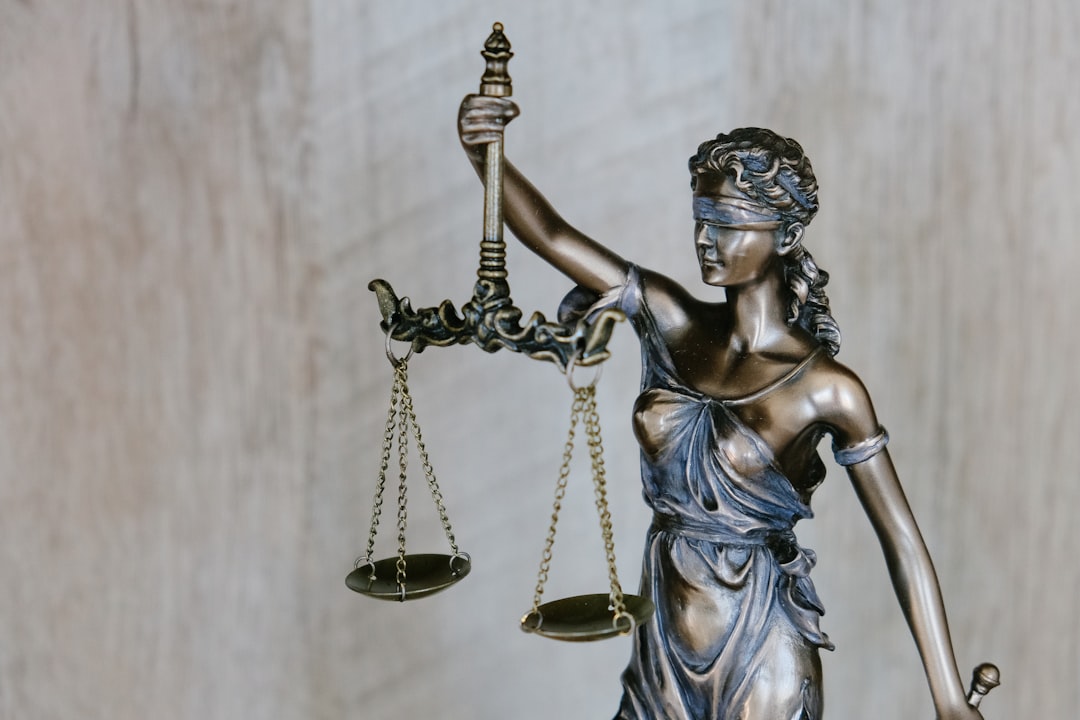
Virginia's debt collection laws, governed by state and federal regulations, prioritize consumer protection. The Fair Debt Collection Practices Act (FDCPA) and Virginia-specific rules guide debt validation, communication, and lawsuit limits. Consumers can file complaints with the Attorney General's office and seek legal counsel from a debt collector lawyer Virginia to ensure fair practices, protect rights, and resolve debts within strict legal boundaries.
In Virginia, understanding debt collection lawsuit limits is paramount for both consumers and debt collector lawyers. With an ever-evolving legal landscape, navigating these boundaries can be complex, often leaving individuals uncertain about their rights and responsibilities. The problem lies in the intricate regulations surrounding debt collection practices, which, if overlooked, can lead to unfair or illegal actions by collectors. This article serves as a comprehensive guide, offering insightful knowledge into Virginia’s debt collection lawsuit limits, empowering both parties to ensure fairness and adherence to the law. A debt collector lawyer in Virginia can play a pivotal role in interpreting these rules, providing vital protection for consumers while enabling efficient debt recovery processes.
Debt Collection Laws in Virginia: An Overview

In Virginia, debt collection laws are governed by both state and federal regulations, primarily designed to protect consumers from abusive or unfair practices by debt collectors. The Fair Debt Collection Practices Act (FDCPA) sets forth broad guidelines that debt collectors must adhere to, with specific provisions addressing communication methods, timing of contacts, and the overall tone of interactions. For instance, debt collectors in Virginia are prohibited from calling consumers at unreasonable times or places, using deceptive or misleading language, or employing aggressive tactics to pressure individuals into making payments.
Virginia law further strengthens consumer rights through its own debt collection regulations. The Commonwealth’s collection agencies must comply with specific rules regarding the validation of debts and the accuracy of information reported to credit bureaus. Consumers who believe they have been wrongfully targeted by debt collectors can file complaints with the Virginia Attorney General’s office, which actively enforces these laws. A notable example of this enforcement includes actions against debt collection firms for filing frivolous lawsuits or using illegal tactics to collect debts, leading to significant penalties and changes in industry practices.
A key aspect that sets Virginia apart is its stringent rules on lawsuit limits for debt collection cases. The state has established clear guidelines on when and how debt collectors can initiate legal action, ensuring fairness and preventing abusive litigation practices. For instance, a debt collector must first validate the debt and provide proper notice before filing a lawsuit, per Virginia Code § 8.01-245. Additionally, there are specific limits on the amount a collector can recover in small claims court, which vary based on the type of debt. These measures not only safeguard consumers but also emphasize the importance of adhering to legal boundaries in debt collection practices, as overseen by a qualified debt collector lawyer Virginia.
Practical advice for both consumers and debt collectors is paramount. Consumers should be proactive in understanding their rights and documenting interactions with collection agencies. Keeping detailed records of communications, including dates, times, and content, can serve as valuable evidence if disputes arise. On the other hand, debt collectors should prioritize compliance to avoid legal repercussions. Engaging a debt collector lawyer Virginia specializing in these laws can provide crucial guidance, ensuring that collection efforts remain within ethical and legal boundaries, thereby fostering a fairer debt resolution process for all involved parties.
Understanding Suits: Rights and Protections

In Virginia, debt collection lawsuits are governed by a stringent set of laws designed to protect consumers from abusive or unfair practices. Understanding the limits of these suits is crucial for both debtors and debt collectors alike. A debt collector lawyer in Virginia can offer invaluable guidance on navigating these complexities, ensuring compliance with state regulations and safeguarding individual rights.
One key aspect revolves around the concept of “valid and enforceable debt.” Debt collectors must prove they have a legitimate claim before initiating legal action. This involves providing original documentation, such as signed contracts or receipts, showing the debt’s existence and amount. Without substantial evidence, a court is likely to dismiss the suit. For instance, a collector might face challenges if they fail to produce records demonstrating that a debtor’s signature on a loan agreement is genuine.
Furthermore, Virginia law dictates strict time frames for debt collection activities. According to the Virginia Code, creditors have a limited period—usually several years—to file a lawsuit once a debt becomes delinquent. Exceeding these deadlines can lead to dismissal of the case and potential legal repercussions for the collector. It’s essential for debtors to be aware of their rights during this process, including the ability to request validation of the debt and dispute inaccurate claims with assistance from a debt collector lawyer in Virginia.
Navigating Limits: What Debtors Need to Know

In Virginia, debt collection lawsuits operate within strict legal boundaries designed to protect debtors’ rights. Navigating these limits is crucial for individuals facing such suits. One key aspect is understanding when a debt collector can initiate legal action. Generally, a debt collector must first determine if the debt is valid and if it falls within the statute of limitations, which varies for different types of debts but commonly ranges from 3 to 7 years in Virginia. Exceeding these deadlines significantly weakens the collector’s case, making it a powerful tool for debtors.
Another limit involves proper notice and documentation. Debt collectors must provide clear, written notification of the lawsuit and present valid evidence of the debt, such as original contracts or payment records. A debtor has the right to contest both the validity of the debt and the legal process itself. For instance, if a debt collector fails to adhere to Virginia’s Fair Debt Collection Practices Act (FDCPA), debtors can file complaints with the Attorney General’s Office and seek damages, further limiting the collector’s actions.
Seeking counsel from an experienced debt collector lawyer in Virginia is advisable. Legal professionals can guide debtors through these complex limits, ensuring their rights are protected. They can challenge inappropriate collection tactics, negotiate settlements, or represent clients in court. For example, a debtor might discover that a collection agency has been misrepresenting the nature of the debt, allowing the lawyer to intervene and resolve the issue amicably or through legal means. Proactive knowledge of these limits empowers debtors to defend themselves effectively.
When to Consult a Debt Collector Lawyer Virginia

In Virginia, debt collection lawsuit limits are governed by both state and federal laws, designed to protect debtors from unfair or abusive practices. When a creditor initiates a lawsuit for debt collection, it’s crucial to understand these boundaries to safeguard your rights. One of the first steps you should take is to consult with a debt collector lawyer Virginia specialists have trusted for years. These legal professionals are adept at navigating the intricate web of regulations surrounding debt collection and can provide invaluable guidance tailored to your specific situation.
For instance, Virginia law sets caps on the amount of interest that can be charged on certain types of debts, and it also regulates the frequency and manner in which creditors can contact debtors. A debt collector lawyer Virginia can help you interpret these laws and determine if a creditor’s actions are in compliance. They can intervene early in the process to prevent violations from escalating into full-blown legal disputes. Furthermore, Virginia consumers have the right to dispute the validity of a debt, and a qualified attorney can assist with this process, ensuring your rights are respected throughout.
If you’re facing a debt collection lawsuit, it’s not uncommon for the allegations to seem overwhelming. A debt collector lawyer Virginia can demystify the legal proceedings, explaining your options and potential outcomes clearly. They can negotiate on your behalf, seeking favorable settlements or even dismissing the case if the creditor fails to meet their burden of proof. By engaging a specialist early, you increase your chances of a positive resolution while minimizing potential financial losses and reputational damage.