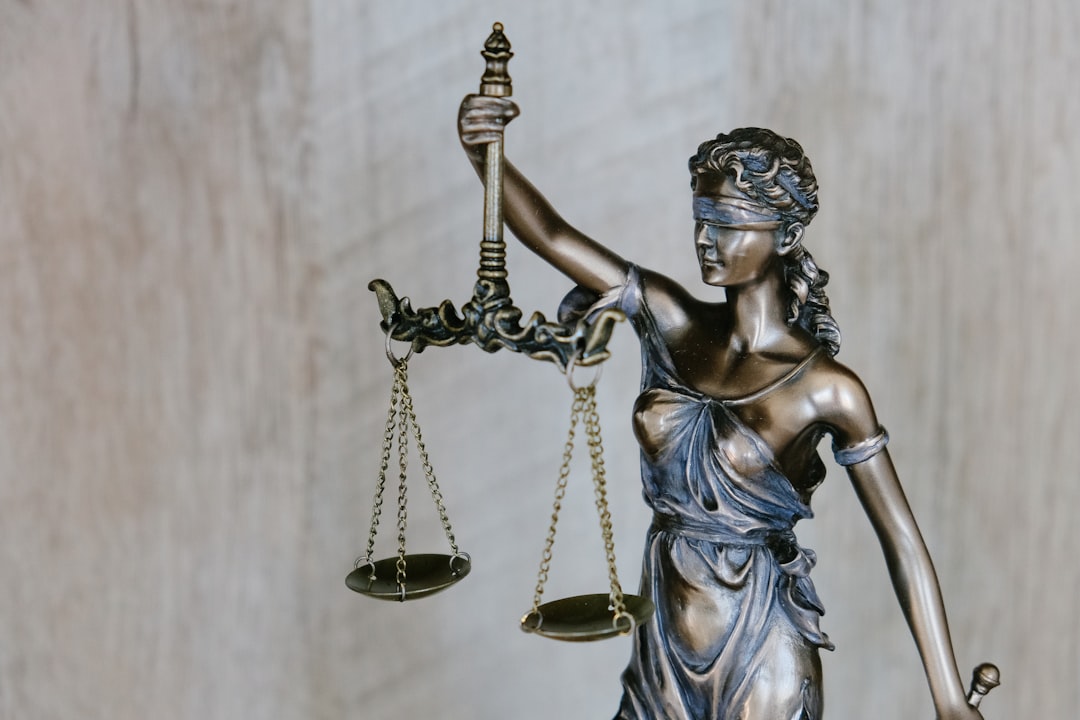
Virginia laws protect consumers from debt collection harassment through strict regulations on collector tactics. A debt collector Attorney Virginia guides clients on legal remedies for violations, including emotional distress damages and injunctions. Consumers should document interactions, request debt verification, and keep detailed records for potential legal action against abusive practices. Key protections include limitations on contact methods, frequency, and the right to challenge false information or threatening language from collectors.
In today's financial landscape, understanding the boundaries of debt collection practices is paramount to protect consumers from harassment. Virginia laws regarding debt collector behavior offer crucial safeguards for residents facing financial pressures. However, navigating these regulations can be intricate, often leaving individuals uncertain about their rights. This article serves as a comprehensive guide, elucidating the legal framework surrounding debt collection harassment in Virginia. With an emphasis on clarity and authority, it equips readers with the knowledge to recognize and address inappropriate tactics employed by debt collectors, empowering them to assert their rights effectively, especially with the guidance of a skilled debt collector attorney Virginia.
Understanding Virginia's Debt Collection Laws

Virginia's laws regarding debt collection harassment are designed to protect consumers from unfair and abusive practices. According to the Virginia Code of Laws, debt collectors must adhere to strict guidelines when attempting to recover debts. One key aspect is the prohibition against using harassment or coercion in their efforts. This includes making repeated phone calls with the intent to annoy, threatening language, or misrepresenting the debt collector's identity.
A debt collector Attorney Virginia can play a crucial role in ensuring these laws are respected. For instance, if a consumer believes they have been subjected to harassing collection tactics, such as relentless calls or aggressive demands, consulting an attorney specializing in this area is advisable. The attorney can help determine if the debt collector has violated any state regulations and guide the client through potential legal remedies, which may include seeking damages for emotional distress or having the debt collector enjoined from further harassment.
Practical insights for consumers are paramount. Keeping detailed records of interactions with debt collectors can be invaluable. Documentation should include dates, times, content of conversations, and any threatening or harassing language used. This evidence can serve as a powerful tool if legal action becomes necessary. Additionally, consumers have the right to request verification of the debt from the collector, ensuring they are indeed liable for the amount being demanded. Understanding these rights is essential for navigating the complexities of debt collection laws in Virginia.
What Constitutes Harassment by Debt Collectors?

Debt collection harassment is a serious concern in Virginia, with many individuals facing aggressive tactics from debt collectors. According to the Federal Trade Commission (FTC), one in four consumers has experienced debt collector harassment, highlighting the prevalence of this issue. A debt collector attorney in Virginia can provide crucial guidance on what constitutes harassment, helping debtors protect their rights under state and federal laws.
Harassment by a debt collector occurs when they use aggressive, coercive, or unfair means to collect a debt. This includes repeated phone calls with abusive language, threatening to take legal action without intent to do so, or using false or misleading statements about the debt. For instance, a debt collector might falsely claim that you owe more than you actually do or threaten to seize property, even if they have no legal basis for doing so. Such actions are not only unethical but also illegal under Virginia law.
Virginia has specific laws in place to protect consumers from abusive debt collection practices. The Virginia Consumer Protection Act (VCPA) prohibits debt collectors from using deceptive, misleading, or aggressive tactics to collect debts. This includes misrepresenting the amount of the debt, threatening violence, or using false statements to obtain money or property. If you have experienced any form of harassment or abuse by a debt collector, it is advisable to consult with a debt collector attorney in Virginia who can help you understand your rights and take appropriate legal action.
To protect yourself, keep detailed records of interactions with debt collectors, including dates, times, and a transcript of conversations. If you feel harassed, you can file a complaint with the Virginia Attorney General's Office or seek legal counsel to pursue damages or an injunction against the debt collector. A knowledgeable attorney can help navigate the complexities of these laws, ensuring debtors are treated fairly and in accordance with their rights under Virginia law.
Rights & Remedies for Debtors in Virginia

In Virginia, debtors have a range of rights and remedies when faced with debt collection harassment. According to state law, debt collectors must adhere to strict guidelines to ensure fair treatment of individuals owing money. One crucial aspect is the limitation on the frequency and manner of contact by debt collectors, which can include restrictions on calls, emails, and letters. A debt collector Attorney Virginia can help debtors navigate these rules, ensuring their rights are protected.
Debtors in Virginia have the right to request validation of the debt from the collector. This means they can ask for evidence that they owe the money and details about the original creditor. If a debt collector fails to provide this or uses false or misleading information, it can be considered harassment and debtors may seek legal action. For instance, a recent case highlighted how a debt collector's persistent calls and threatening language led to a successful lawsuit by the debtor, underscoring the importance of understanding one's rights.
Additionally, Virginia law prohibits debt collectors from engaging in unfair or deceptive practices, such as impersonating someone else, misrepresenting the amount owed, or using violence or threats. Debtors can file complaints with the Virginia Attorney General's office if they experience such harassment. It is also advisable for debtors to keep records of all interactions with debt collectors, including dates, times, and a log of communications, which can be invaluable evidence in resolving disputes. A debt collector Attorney Virginia can assist in filing these complaints and navigating potential legal outcomes, ensuring debtors receive fair treatment throughout the process.