
Virginia consumers benefit from stringent debt collection laws, including the Fair Debt Collection Practices Act (FDCPA) and state regulations. Key protections include collector identification, debt verification, and a ban on harassing behavior. Consumers can validate debts, document interactions, and report violations to ensure accountability. A lawyer for debt collector laws Virginia is crucial for navigating these rights, especially in cases of persistent or aggressive collection efforts, offering legal recourse and guidance tailored to state regulations.
In today’s economic climate, consumer protection from debt collectors is more critical than ever. Virginia has established robust regulations to safeguard its residents from aggressive debt collection practices, ensuring fair treatment and peace of mind. However, navigating these protections can be challenging without expert guidance. This article delves into the intricate mechanisms Virginia employs to shield consumers, highlighting the rights and resources available. From understanding the role of a lawyer for debt collector in Virginia to recognizing unlawful collection methods, readers will gain invaluable insights into protecting their financial well-being.
Understanding Virginia's Consumer Protection Laws
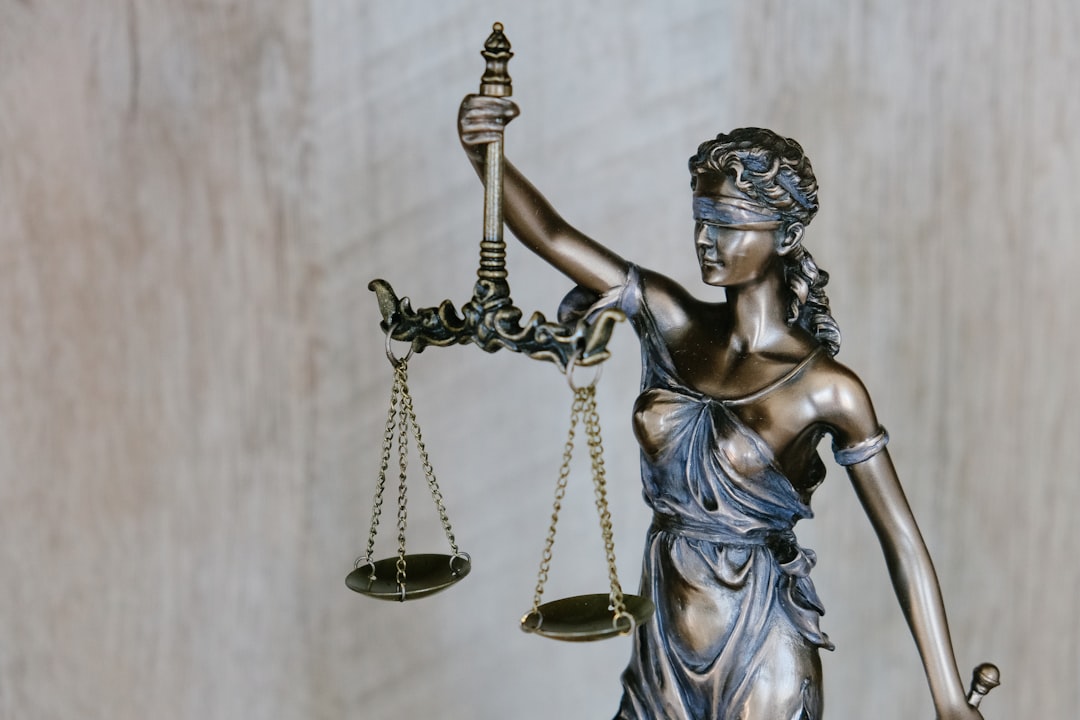
Virginia’s consumer protection laws are designed to safeguard residents from abusive or unfair practices, including those employed by debt collectors. The Virginia Division of Consumer Affairs plays a crucial role in enforcing these regulations, ensuring that collection agencies adhere to strict guidelines. One of the key protections for consumers is the law that prohibits debt collectors from engaging in harassing or abusive behavior. This includes making excessive calls, using obscene language, or threatening violence. A lawyer for debt collector laws Virginia can help individuals understand their rights and take action against violators.
The Fair Debt Collection Practices Act (FDCPA) serves as a federal framework, but Virginia has its own additional regulations that offer enhanced protection. For instance, the Commonwealth’s law requires collectors to identify themselves and provide contact information, ensuring transparency. Additionally, they must refrain from contacting consumers at unreasonable times or places, considering individual circumstances. Consumers in Virginia have the right to request validation of the debt, meaning collection agencies must prove the amount owed. This process is crucial for individuals disputing debts and ensures fairness throughout the collection process.
Practical advice for consumers facing debt collection issues involves documenting all interactions with collectors, including dates, times, and a record of communications. Keeping detailed notes can be invaluable when filing complaints or seeking legal counsel from a Virginia lawyer specializing in debt collector laws. If a consumer feels their rights have been violated, they should promptly report it to the Division of Consumer Affairs, which investigates complaints and takes appropriate action against offending agencies. Understanding these protections empowers consumers to navigate the complex landscape of debt collection with confidence and assertiveness.
Rights of Consumers Against Debt Collectors

In Virginia, consumers have robust rights when dealing with debt collectors. The state has enacted stringent regulations to protect individuals from aggressive or unfair collection practices. According to the Virginia Code, debt collectors must adhere to specific guidelines, including providing proper identification and ceasing communication if a consumer requests it. A key protection is the limitation on the number of times a collector can contact a consumer, ensuring that repeated calls do not cause unnecessary distress.
One notable aspect is the requirement for debt collectors to verify the debt they are attempting to collect. This verification process involves providing consumers with validation of the debt, including information about the original creditor and the amount owed. A lawyer for debt collector in Virginia can play a crucial role here, ensuring that collectors adhere to these rules and safeguarding consumers’ rights. For instance, if a consumer disputes the debt, the collection agency must investigate and provide evidence of the debt’s validity, or cease collection efforts.
Furthermore, Virginia law prohibits the use of threats, intimidation, or harassment by debt collectors. This includes false statements or promises made to extract payment. Consumers who feel their rights have been violated can take legal action against the collector, seeking damages and attorney’s fees. It is advisable for consumers facing persistent or aggressive collection efforts to consult with a qualified lawyer for debt collector in Virginia to understand their options and ensure their rights are protected.
When to Seek Legal Help from a Virginia Debt Collector Lawyer

In Virginia, consumers have protections against aggressive debt collection practices, but knowing when to seek legal help from a Virginia debt collector lawyer is crucial. If you find yourself facing relentless calls, threats, or false accusations from debt collectors, it may be time to take action. Virginia law strictly regulates debt collection agencies and provides remedies for consumers whose rights are violated. For instance, the Fair Debt Collection Practices Act (FDCPA) prohibits debt collectors from using abusive, threatening, or deceptive means in their attempts to collect a debt.
A lawyer for debt collector laws in Virginia can help navigate these complex regulations and ensure your rights are protected. They can intervene when a collector has crossed legal boundaries, such as contacting you after hours, using obscene language, or falsely claiming you owe a debt. For example, a 2021 report by the Federal Trade Commission (FTC) revealed that thousands of Virginia consumers filed complaints against debt collectors for harassing and abusive tactics. Legal counsel can assist in resolving these issues, including negotiating with collectors, disputing inaccurate claims, and, if necessary, filing lawsuits to recover damages or seek injunctive relief.
It’s advisable to consult a lawyer early on if you recognize signs of unfair treatment or believe your debt is being collected incorrectly. Timely intervention can prevent further harassment and potential financial harm. A qualified Virginia debt collector lawyer can provide expert guidance tailored to your situation, ensuring compliance with state and federal laws. They can also help you understand your options, from resolving the issue amicably to pursuing legal action if all other attempts have failed.