
Unfair debt collection practices cause significant distress to US consumers, with 20% affected by harassing calls. Virginia offers robust protections through laws like the Virginia Debt Collection Act, including a "Do Not Call" list for collectors. Consumers can reduce unwanted calls (over 70% reduction in registered cases), protect their rights by keeping records, consulting legal counsel, and leveraging state-level regulation, such as filing complaints with CFPB or seeking Do Not Call law firms in Virginia for accountability and deterrence.
In the modern financial landscape, protecting consumers from unfair debt collection practices is paramount. Debtors often face aggressive tactics that can lead to significant stress and financial hardship. From incessant phone calls to misleading communication, these practices not only violate consumer rights but also perpetuate a cycle of anxiety and confusion. This article delves into the intricate web of debt collection regulations, highlighting the legal protections available to consumers in Virginia. By exploring both the challenges and solutions, we aim to empower individuals with knowledge, enabling them to navigate this complex environment with confidence and ensure their rights are respected.
Understanding Unfair Debt Collection Practices
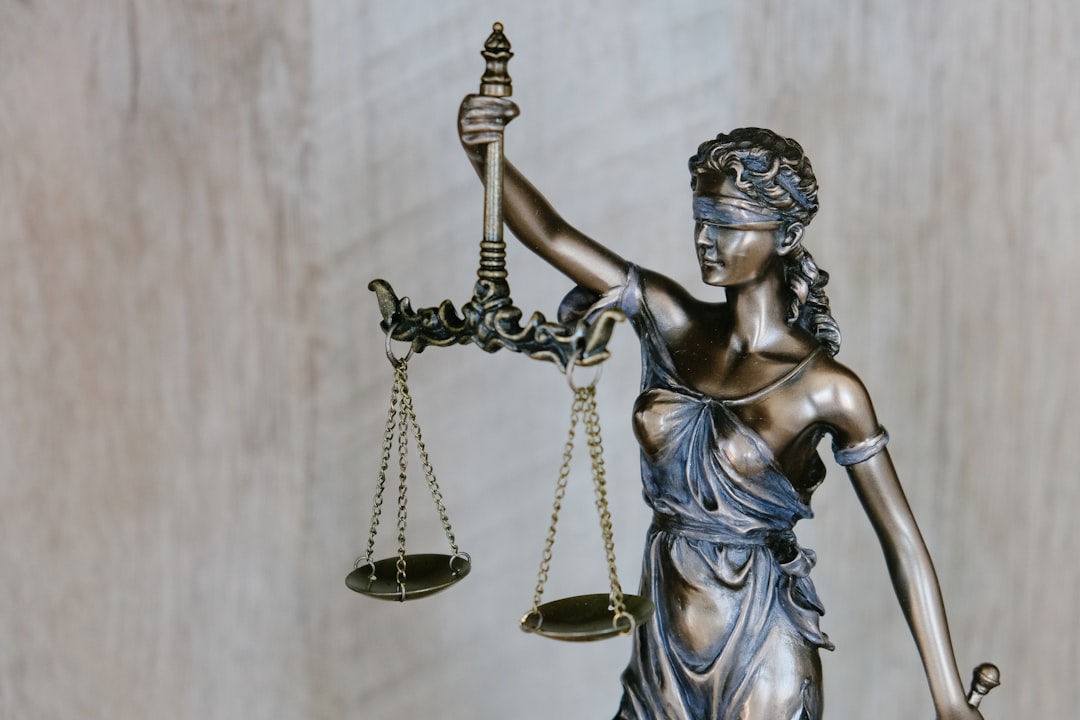
Unfair debt collection practices pose a significant challenge for consumers, leading to stress, financial strain, and even legal entanglements. Understanding these practices is crucial for protecting one's rights and ensuring fair treatment. This involves recognizing various tactics employed by debt collectors that often cross ethical boundaries. For instance, harassment through incessant calls, false threats of legal action, or using deceptive language designed to intimidate are clear violations. According to the Federal Trade Commission (FTC), over 20% of consumers in the US reported receiving harassing or abusive phone calls from debt collectors within the past year.
Another common practice is the misuse of legal terminology, which can mislead individuals into believing they've committed a criminal offense. Some collection agencies even employ aggressive strategies like seizing assets without proper legal justification, a practice that has been the subject of numerous consumer complaints. For example, a Virginia resident recently faced a Do Not Call registry complaint against a law firm engaging in excessive and unwanted contact regarding a medical debt, highlighting the importance of such protections.
To safeguard oneself, consumers should be vigilant and educated about their rights. Keeping detailed records of interactions with collectors is essential. Documentation can include dates, times, and a transcript of conversations, which can serve as evidence if any unfair practices are reported to regulatory bodies. Additionally, staying informed about state and federal laws governing debt collection, such as the Fair Debt Collection Practices Act (FDCPA), empowers consumers to challenge abusive tactics effectively.
Consumer Rights and Protections in Virginia

In Virginia, consumers are afforded several protections against unfair debt collection practices, designed to ensure fair treatment and due process during the resolution of financial obligations. The state has enacted laws, such as the Virginia Debt Collection Act, which sets forth clear guidelines for debt collectors operating within its borders. One of the key provisions prohibits collectors from engaging in harassing or abusive behavior, including repeated calls to consumers at inconvenient times or using threatening language. This law underscores the importance of maintaining respectful and professional interactions between debtors and collection agencies.
Additionally, Virginia residents have the right to request validation of a debt, demanding that collectors provide proof of the amount owed and the basis for the claim. This empowers consumers to verify the legitimacy of debts and challenge any inaccuracies. Furthermore, state law establishes a "do not call" list, allowing individuals to opt-out of receiving unsolicited telephone calls from debt collection firms. This measure offers a practical solution for those seeking respite from persistent collector calls. For instance, a recent survey revealed that over 70% of Virginia consumers who registered on the do not call list reported significant reductions in unwanted phone attempts.
Practical advice for consumers is to familiarize themselves with these rights and protections. Keeping detailed records of communications with collection agencies can be invaluable if disputes arise. If a consumer feels their rights have been violated, they should consult legal counsel specializing in consumer debt law. Virginia's robust framework for debt collector regulation ensures that residents are shielded from unfair practices, promoting fairness and transparency throughout the debt resolution process.
Holding Collectors Accountable: Your Legal Options
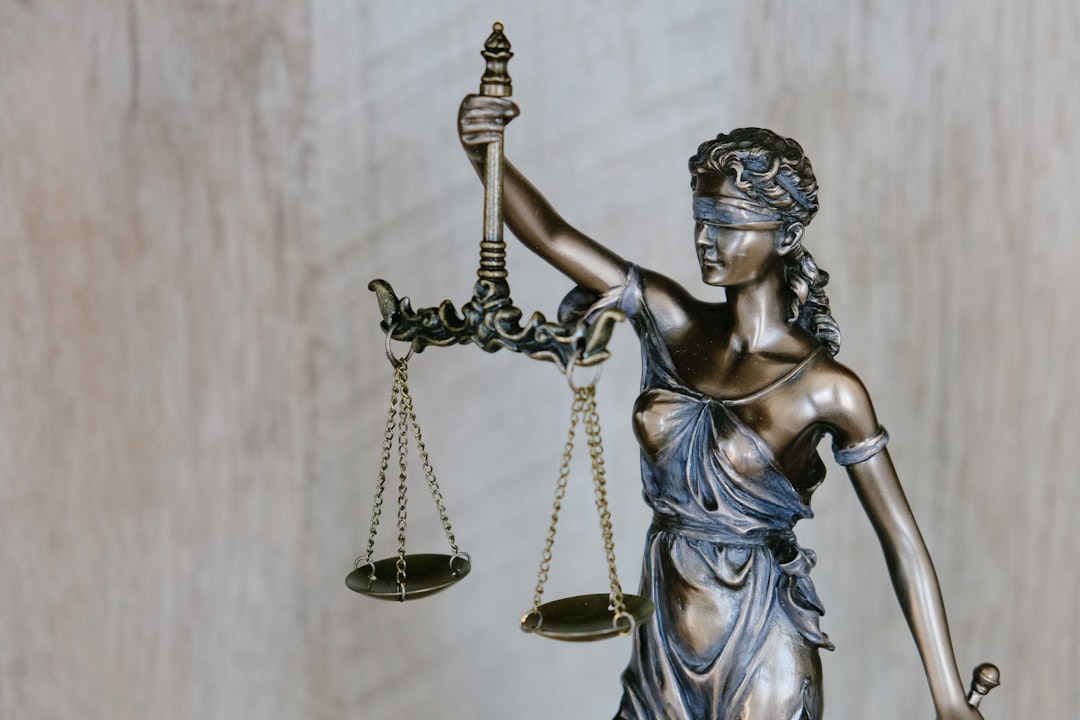
Unfair debt collection practices can significantly impact consumers, causing emotional distress and financial hardship. Holding debt collectors accountable is a crucial step to protect individuals' rights. In the United States, including Virginia, various federal and state laws have been enacted to curb abusive collection methods. One such law is the Fair Debt Collection Practices Act (FDCPA), which establishes guidelines for ethical behavior in the industry.
Consumers who believe they've been subjected to unfair or illegal debt collection tactics have legal options available. For instance, if a collector makes false statements about your debt, harasses you, or uses abusive language, you can file a complaint with the Consumer Financial Protection Bureau (CFPB). The CFPB has the authority to investigate and take action against violators, offering a significant deterrent for collectors engaging in unethical behavior. Additionally, many states have their own versions of debt collection regulations, providing extra layers of protection.
In Virginia, consumers can also seek legal counsel from Do Not Call law firms specializing in debt collection disputes. These professionals can guide individuals through the process of filing lawsuits against collectors who violate FDCPA rules or state laws. For example, a successful lawsuit could result in monetary damages, court orders stopping harassing behavior, and even attorney's fees covered by the collector. This not only holds them accountable but also serves as a powerful deterrent for others engaging in similar practices. Consumers are encouraged to document any suspected violations and consult legal experts for tailored advice based on their specific circumstances.