
Virginia residents facing debt collection issues are protected by state law and the Fair Debt Collection Practices Act (FDCPA), which restrict collector behavior, mandate debt validation upon request, and provide legal recourse for violations. Key actions include documenting all communications, maintaining detailed records, and promptly informing collectors of harassing behavior. Consulting a qualified debt collector Attorney Virginia offers guidance on disputing debts, negotiating settlements, and seeking legal action against abusive practices, with potential damages up to $1,000 plus actual costs. Proactive communication and strategic negotiations improve outcomes.
Dealing with debt collectors can be a stressful and overwhelming experience. In Virginia, understanding your rights and knowing how to navigate interactions with these agencies is crucial. This comprehensive guide aims to empower individuals facing debt collection issues by providing practical strategies for effective communication and legal options available, including the expertise of a debt collector Attorney Virginia. By the end, you’ll have a clear path to managing and resolving debt collection matters confidently and in compliance with local laws.
Understanding Your Rights Against Debt Collectors in Virginia
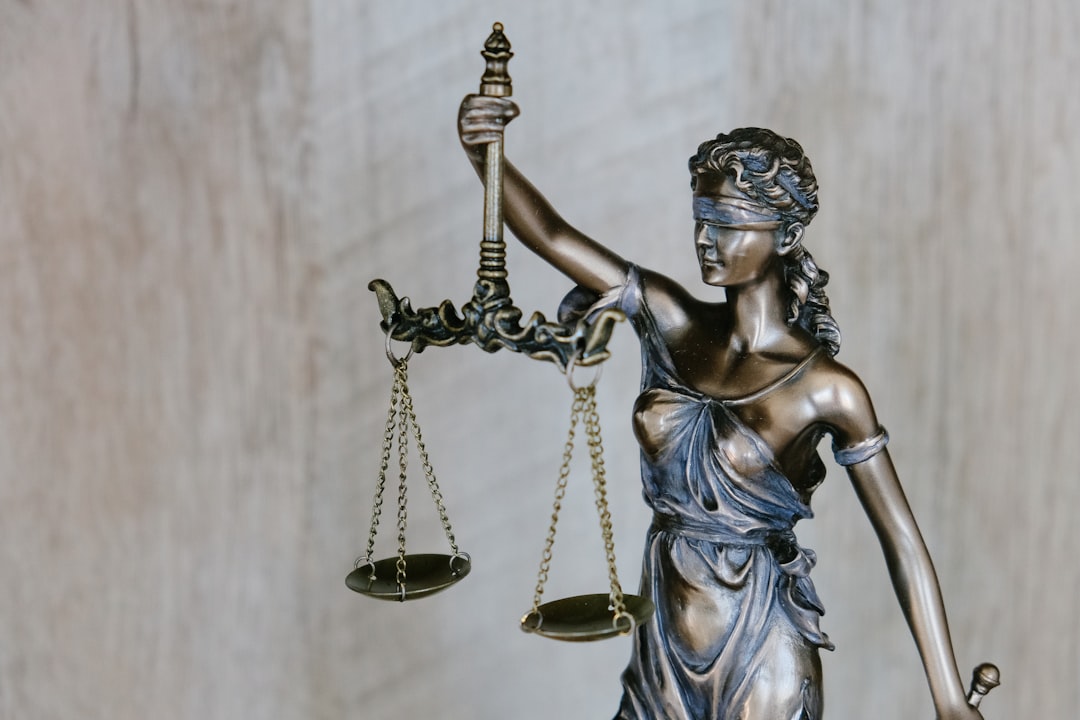
In Virginia, as in many states, individuals facing debt collection have specific rights designed to protect them from aggressive or unfair practices. Understanding these rights is crucial when interacting with debt collectors. Virginia law places significant restrictions on how debt collectors can conduct themselves, including prohibiting harassment, false statements, and certain tactics that could cause emotional distress.
For instance, a debt collector in Virginia cannot call you before 8 am or after 9 pm, except under specific circumstances, such as to notify you of a court hearing. They are also prohibited from using abusive language, threatening to harm, or making false representations about the debt. Moreover, collectors must provide validation of the debt upon request, including proof that the debt is legitimate and the amount claimed is accurate. If a debt collector violates these rules, individuals in Virginia have the right to file complaints with the Virginia Attorney General’s Office and consult with a debt collector attorney Virginia for legal recourse.
Practical advice for dealing with debt collectors includes keeping detailed records of all conversations and communications, including dates, times, and a summary of what was said. If you feel harassed or threatened, document these incidents thoroughly. Consulting with an experienced debt collector attorney Virginia can also provide valuable guidance on your rights and the best course of action, especially if you believe your rights have been violated. Remember, knowledge is power when it comes to navigating complex legal issues like debt collection practices.
Communicating Effectively with Debt Collectors

Communicating effectively with debt collectors is a critical aspect of managing your financial situation, especially in Virginia where consumers have specific rights. When interacting with a debt collector, be prepared to assert yourself while maintaining a calm and professional demeanor. Remember, you are entitled to certain protections under Virginia law, including the Fair Debt Collection Practices Act (FDCPA), which governs how debt collectors can contact and communicate with you.
A key strategy is to remain composed and informed during conversations. Debt collector attorneys in Virginia advise clients to demand verification of the debt’s validity. This step is crucial; a surprising number of collection agencies may be pursuing invalid or inaccurate debts, according to recent studies. For instance, a consumer report by the Consumer Financial Protection Bureau (CFPB) revealed that nearly 20% of consumers had errors on their credit reports, which could lead to incorrect debt collections.
Organize your financial records and be ready to provide them if needed. Keep detailed notes of all communications with collection agencies, including dates, names of representatives, and the content discussed. This documentation can serve as valuable evidence if any disputes arise or if you need to consult a debt collector attorney in Virginia for legal advice. For example, if a debt collector makes false claims or employs aggressive tactics, your records will be essential in resolving the issue through negotiation or legal channels.
Documenting Interactions: What to Keep and When to Consult a Debt Collector Attorney Virginia

In Virginia, as in many states, the interaction between consumers and debt collectors is strictly regulated to protect individuals from aggressive or unfair practices. Documenting interactions with debt collectors is crucial. It not only helps you track your conversations but also serves as a vital record if disputes arise or legal action becomes necessary. Keep detailed records of all communications—written, electronic, or oral—including dates, times, names of individuals involved, and a summary of the discussion. Note any promises made or agreements reached, even informally.
Consider keeping a log book or using digital tools to organize your documentation. Record both your attempts to resolve the debt issue amicably as well as any perceived violations of your rights. For instance, if a debt collector harasses you by phone more than once a week, or uses false or misleading statements to convince you to pay, document these incidents immediately. This evidence can prove invaluable if legal action is required, and retaining a debt collector attorney Virginia becomes necessary.
When faced with persistent or aggressive debt collection tactics, consult with a debt collector attorney Virginia as soon as possible. Legal counsel can advise on the best course of action, from disputing the validity of the debt to negotiating a settlement or even filing a lawsuit against the debt collector for violations of the Fair Debt Collection Practices Act (FDCPA). The FDCPA outlines specific rules that debt collectors must follow, and breaking these can lead to significant penalties. Having a qualified attorney on your side ensures your rights are protected and helps navigate the complex legal landscape surrounding debt collection.
Legal Recourse: When to Take Action Against Harassment

In Virginia, as in many states, debt collectors are subject to strict regulations designed to protect consumers from harassment. Understanding your rights and knowing when to take legal action against a debt collector is crucial. The Fair Debt Collection Practices Act (FDCPA) prohibits abusive, false, or deceptive practices by collection agencies, including excessive calls, threatening language, or pretending to be someone they’re not. If a debt collector violates these rules, consumers in Virginia have the right to take legal recourse.
One of the most effective actions a consumer can take is to document every interaction with the debt collector. Keep a record of all communication, including dates, times, and a detailed account of what was said. If the collector harasses or threatens you, note these incidents precisely. Such documentation is invaluable should legal action become necessary. It’s also essential to inform the collector in writing that you consider their behavior harassing or abusive; this can stop them from contacting you further unless they have specific, valid reasons, such as attempting to verify the debt with a debt collector attorney Virginia.
Legal action against a debt collector is warranted when harassment escalates or persists despite your requests for it to cease. You may file a complaint with the Consumer Financial Protection Bureau (CFPB) and/or hire a debt collector attorney Virginia to send a cease-and-desist letter, putting the collector on formal notice of your rights. If the behavior continues, you could pursue legal action in state or federal court, seeking damages for emotional distress, attorney fees, and other compensatory costs. The FDCPA allows consumers to sue debt collectors who violate its provisions, up to $1,000 plus any actual damages incurred.
It’s crucial to act promptly; the statute of limitations for filing a claim under the FDCPA is typically one year from the date of the alleged violation. A debt collector attorney Virginia can provide expert guidance tailored to your situation, ensuring you understand your rights and obligations. They can also represent you in negotiations, mediations, or if the matter progresses to litigation. Always remember that you are not obligated to deal with harassing debt collectors alone; legal recourse is available to protect your rights and put an end to unacceptable collection practices.
Repayment Options and Negotiation Strategies

In Virginia, consumers facing debt collection issues have rights and options when engaging with debt collectors. Repayment plans and negotiation strategies are powerful tools for managing and resolving these situations effectively. One crucial step is understanding your rights under Virginia law, which provides guidelines on fair debt collection practices. A debt collector Attorney Virginia can offer specialized guidance tailored to state regulations, ensuring you’re protected and informed.
Debt collectors often work with a range of repayment options, from structured payment plans to settlement agreements. Consumers can propose schedules that align with their financial capabilities, allowing for gradual repayment without immediate pressure. For instance, a consumer facing medical debt could negotiate a plan that allocates a portion of their income each month toward settlement, offering both relief and a clear path to resolution. Data suggests that proactive communication improves outcomes; consumers who engage in negotiations are more likely to achieve favorable terms.
Negotiation strategies involve demonstrating financial good faith and proposing realistic solutions. A strategic approach includes providing proof of income, outlining expenses, and sharing any extenuating circumstances. For example, a debt collector might accept a lower monthly payment for a limited time if the consumer can demonstrate financial hardship due to job loss or medical emergencies. It’s essential to remain persistent but respectful throughout negotiations, as a collaborative tone can lead to more amicable resolutions. A debt collector Attorney Virginia can assist in crafting effective proposals and representing your interests during discussions.